Understanding Bed Bugs: Signs, Symptoms, and Effective Treatment Options
Bed bugs are a pervasive issue in countless residences. These small, brownish insects can evade detection, hiding in the seams of mattresses and furniture. Their presence is often revealed through rust-colored stains and itchy bites on exposed skin. Learning to detect these creatures and their consequences is vital. Effective treatment options exist, but knowing how to implement them is key to regaining control of one's living space. What measures ought to be taken when confronting an infestation?
How to Detect Bed Bugs in Your Home
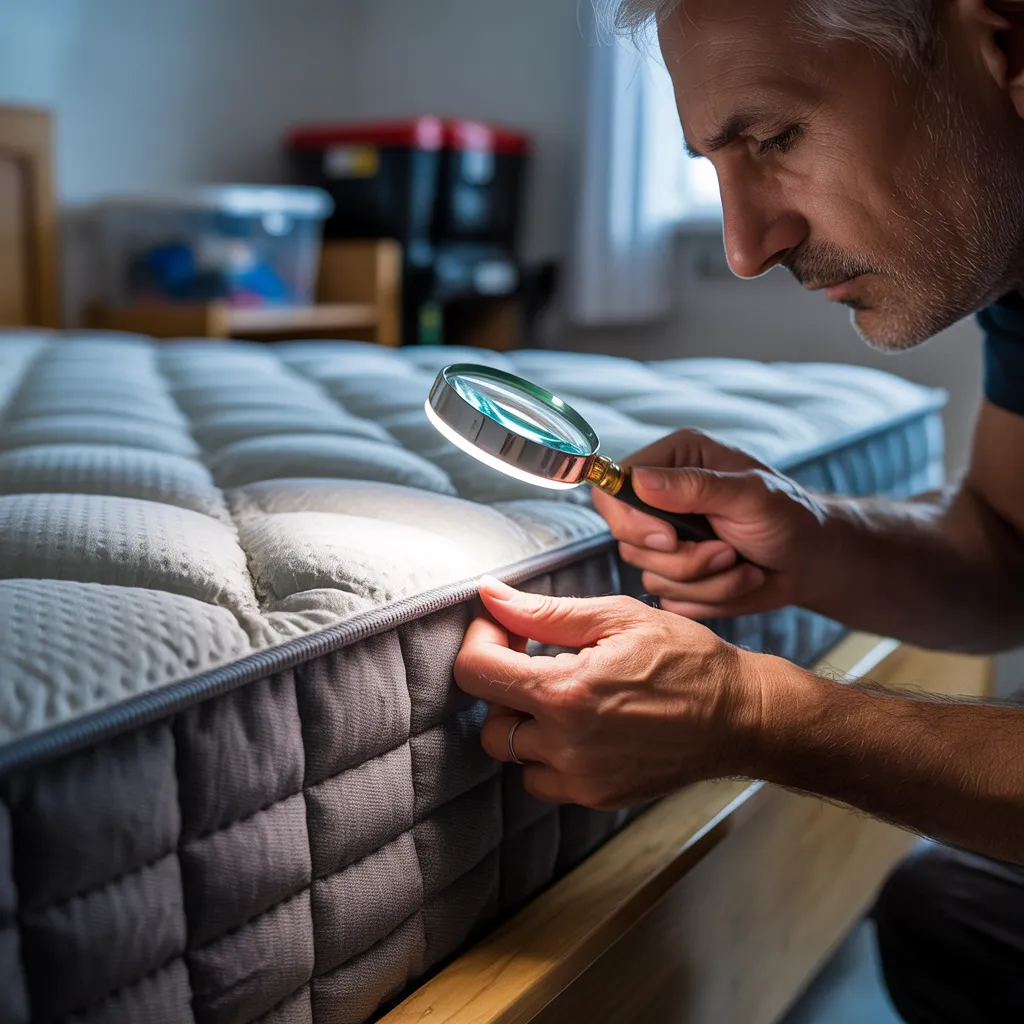
Spotting bed bugs in your home necessitates diligence and a keen eye for detail. These parasites are small, reddish-brown insects that commonly lurk in cracks and narrow gaps. Their flattened forms enable them to fit into confined areas, making identification difficult. Frequent hiding places include mattress stitching, bed frames, and fabric-covered furnishings. Residents should perform routine checks, particularly after trips or introducing secondhand belongings into the house.
Indicators of an infestation consist of small reddish-brown spots on sheets, which are droppings, and minuscule white eggs or molted skins. A distinctive musty smell may also occur in severely affected areas. It is essential to inspect not only bedrooms but also neighboring rooms, as bed bugs are capable of spreading. Employing a flashlight and a magnifying glass can assist in the inspection. Prompt identification is discover now crucial for successful treatment and avoiding a widespread infestation.
Spot Bed Bug Bites and Symptoms
Bed bug bites frequently appear as small, reddish, itchy bumps on the skin, typically forming clusters or appearing in a linear pattern. These bites typically appear on exposed areas of the body, such as the legs, neck, and arms. Although the urge to scratch may worsen the irritation, the bites are not known to transmit illnesses.
The timing of the bites can also provide clues; they often appear overnight after the bed bugs feed. Certain people may encounter delayed responses, leading to more pronounced symptoms over time. In addition to the welts, signs of a bed bug infestation may include redness and swelling around the bite site.
Recognizing these signs in a timely manner is vital for managing suspected infestations and related issues. Knowledge of these signs assists residents implement proper measures to avoid continued harm and irritation, facilitating swift action.
How to Effectively Treat Bed Bug Infestations
Understanding the indicators of bed bug bites underscores the necessity of effective treatment strategies to address infestations. Property owners should initially perform a detailed assessment of their living spaces, focusing on crevices, furniture seams, and bedding. Once bed bugs are confirmed, clearing the affected area can support the treatment process.
Heat treatment is an exceptionally powerful approach, as bed bugs at all life stages are eliminated by temperatures exceeding 120°F. Professional exterminators often utilize this approach, alongside bed bug-targeted insecticide treatments. Strict compliance with label directions is necessary to achieve safe and effective results.
Furthermore, washing infested textiles in hot water and using high heat in the dryer can eliminate bed bugs. Closing up cracks and crevices and utilizing bed bug-resistant covers on both mattresses and box springs can reduce the risk of re-infestation. Consistent efforts paired with multiple treatment methods will deliver optimal results in managing bed bug infestations.
How to Keep Bed Bug Infestations Out of Your Home
Preventing bed bug infestations effectively requires homeowners to take proactive steps. It is essential to regularly inspect sleeping areas, such as mattresses, box springs, and headboards. Homeowners need to check for telltale signs such as small dark spots, shed skins, and live bugs. Minimizing clutter helps eliminate potential hiding spots, allowing homeowners to detect infestations sooner.
In addition, covering mattresses and pillows with protective encasements can help protect against bed bugs. While traveling, examining hotel rooms and storing luggage off the floor can minimize the risk of bringing bed bugs home.
Filling cracks and gaps in baseboards, walls, and window frames helps eliminate potential entry points. It is also recommended that homeowners launder and dry linens and clothing on elevated temperatures regularly to kill any concealed insects. Through the use of these precautionary measures, the risk of bed bug infestations can be greatly decreased, ensuring a more comfortable living environment.
How to Handle the Aftermath of a Bed Bug Infestation?
After a bed bug infestation has been confirmed, swift action is important to guarantee effective eradication. To begin, residents should carefully examine their home environments, including mattresses, furniture, and crevices, to locate any surviving insects or egg deposits. Remove and discard heavily affected items properly, securing them in tightly closed plastic bags to stop additional contamination.
Additionally, laundering bedding and garments in hot water and placing them in a high-heat dryer helps get rid of any surviving insects. Vacuuming carpets, floors, and upholstery, followed by disposing of the vacuum bag is essential for eradicating bed bugs from your home.
Expert pest control solutions are frequently required to guarantee full elimination, utilizing targeted treatments like heat or chemical applications. Once treatment is complete, checking for evidence of re-infestation is vital, and keeping the area clean can assist in avoiding future incidents. Keeping a log of the infestation and steps performed may be advantageous for future needs.
Popular Questions We Receive
Do Bed Bugs Survive in Cold Weather?
Bed bugs are capable of surviving in cold weather although they become less active. They transition into a dormant state when temperatures drop below 50°F, allowing them to withstand freezing conditions for extended periods, however they tend to prefer warmer environments.
Do Bed Bugs Pass On Infections to Human Hosts?
Bed bugs do not transmit diseases to humans. While their bites can cause discomfort and allergic reactions, they are considered more of a nuisance than a copyright of serious illnesses, as stated by health experts and entomologists.
What Is the Lifespan of Bed Bugs Without a Host?
Bed bugs can survive without a host for several months, usually spanning a period of two to six months. Their resilience allows them to endure periods without feeding, presenting significant challenges for individuals attempting to eradicate these pests.
Are Bed Bugs Visible to the Naked Eye?
Absolutely, bed bugs are visible to the naked eye. Usually measuring 4 to 5 millimeters in length, their flattened, oval-shaped bodies make them identifiable, especially when congregating in infested areas or hiding spots.
Can Pets Introduce Bed Bugs Into the Home?
Bed bugs cannot be carried on pets' bodies, as these insects predominantly occupy human habitats. That said, pets may inadvertently transport bed bug eggs or nymphs on objects such as garments or travel bags, introducing them into homes.